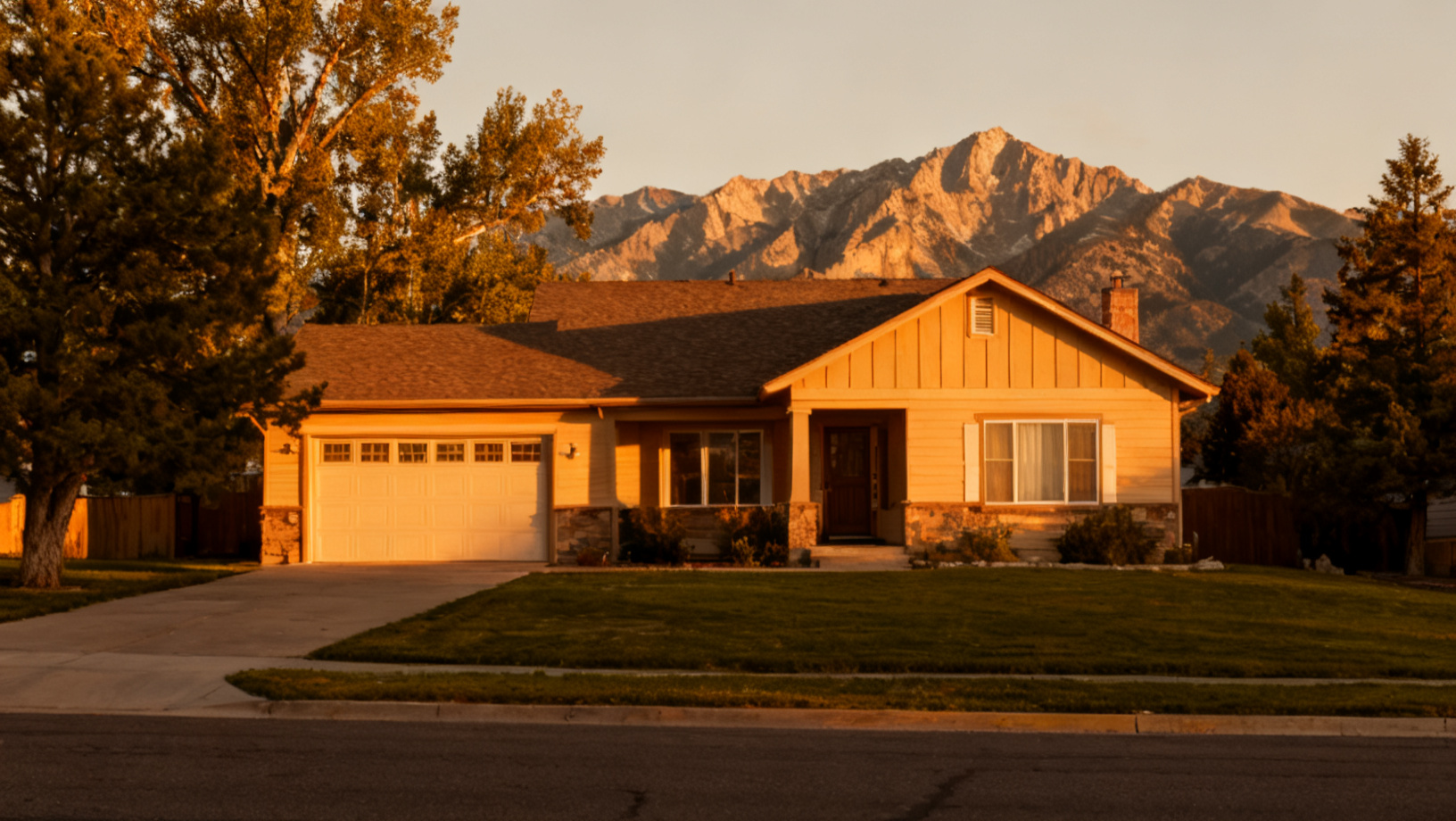
If you are searching for how to buy a home in Montrose, CO, you are probably trying to balance timing, price, and the reality of mountain-area inventory. For first-time buyers, the process gets much easier when you break it into a few local, practical steps and understand what makes Montrose different from nearby markets like Ridgway, Ouray, and Telluride.
Start with your budget, not the listings
The biggest mistake first-time buyers make is shopping online before they know what monthly payment feels comfortable. In Montrose, prices, taxes, insurance, and commute tradeoffs can vary a lot depending on whether you want an in-town neighborhood, more land, or easier access to recreation and nearby mountain communities.
Before you tour homes, set a real buying range based on your monthly payment, not just the maximum a lender says you can afford. This helps you move quickly when the right home appears and keeps you from falling for homes that will stretch your budget too far.
- Add up your target monthly housing cost, principal, interest, property taxes, homeowners insurance, and HOA dues if applicable.
- Keep room in your budget for repairs, utility costs, and basic move-in purchases.
- Plan for earnest money, inspections, appraisal fees, and closing costs, not just the down payment.
- If you are considering a mountain property or acreage outside town, budget for well, septic, road maintenance, and higher insurance costs.
Get pre-approved before you seriously shop
A pre-approval gives you a stronger position with sellers and shows you exactly how your loan options affect your monthly payment. In a market like Montrose, where well-priced homes can attract fast interest, pre-approval is not optional if you want to compete.
First-time buyers often do well with FHA, conventional low-down-payment, or USDA options, depending on income, location, and property type. A local lender can also flag issues that matter in Western Colorado, such as property eligibility, appraisal concerns, or financing limits for homes with unique land features.
- Ask for a fully underwritten pre-approval if possible, not just an online pre-qualification.
- Compare interest rate, lender fees, mortgage insurance, and cash-to-close amount.
- Do not open new credit cards, finance a vehicle, or make large undocumented deposits while house hunting.
- Ask your lender what price range keeps you comfortable if taxes or insurance come in higher than expected.
How to buy a home in Montrose, CO by choosing the right area
Montrose gives first-time buyers more variety than many people expect. Some buyers want to stay close to schools, shops, and medical services. Others want elbow room, views, or easier access to Ridgway, Ouray, or Telluride. The right area depends on your day-to-day life, not just the listing photos.
This is where local guidance matters. A home that looks like a deal online may come with a longer commute, seasonal road concerns, irrigation questions, or future maintenance that changes the true cost of ownership.
- In-town Montrose can be a strong fit if you want convenience, established neighborhoods, and easier access to services.
- North or south of town may offer more lot size and privacy, but commute time and property upkeep can increase.
- If you work remotely, check internet reliability before you write an offer, especially on rural or mountain-leaning properties.
- If you are drawn to Ridgway, Ouray, or Telluride access, weigh scenery and lifestyle against price, weather, and driving time.
Tour homes with a first-time buyer checklist
When you are new to the process, it is easy to focus on finishes and miss expensive problems. A good showing strategy keeps you looking past paint color and staging so you can compare homes clearly and avoid emotional decisions.
Bring a simple checklist to every tour. After the third or fourth property, homes can start to blur together. Notes and photos help you remember what matters.
- Check roof age, window condition, HVAC age, water heater age, and any visible drainage issues.
- Look at layout and storage, not just square footage. A smaller home with a better floor plan may live much larger.
- Ask about HOA rules, short-term rental restrictions, and covenants if you are buying in a planned area.
- For properties with land, ask about water rights, irrigation shares, fencing, septic, and access easements.
- Visit the area at different times of day if possible to assess traffic, noise, and neighborhood feel.
Write a smart offer and prepare for due diligence
The best offer is not always the highest one. Terms matter. Sellers look at financing strength, inspection terms, closing timeline, and how likely the deal is to hold together. As a first-time buyer, you want to stay competitive without giving up protections you may need.
Once you are under contract, the due diligence period is where you confirm the home matches what you thought you were buying. This is when inspections, title review, insurance checks, and lender deadlines all come into play.
- Ask your agent to review recent comparable sales so you do not overpay in a competitive moment.
- Use inspection objections strategically, focusing on material issues rather than minor cosmetic items.
- Review the seller’s property disclosure carefully and ask follow-up questions early.
- Get homeowners insurance quotes quickly, especially if the property is rural, older, or near wildfire-sensitive areas.
- Read the title commitment and survey details if available, particularly for homes with acreage or shared access.
Know your cash-to-close and final steps
A lot of first-time buyers focus on the down payment and forget the rest of the cash needed before closing day. Knowing those numbers early helps you avoid last-minute stress and keeps your move on track.
Your lender will provide estimates, but your real estate agent can also help you understand which costs are typical and where seller concessions may help. In some situations, negotiating closing cost help can make more sense than chasing a slightly lower sale price.
- Expect cash needs to include earnest money, appraisal, inspection costs, loan fees, title fees, prepaid taxes and insurance, and your down payment.
- Schedule your final walkthrough close to closing to confirm the home’s condition and agreed repairs.
- Avoid changing jobs, missing bill payments, or moving money around without talking to your lender first.
- Set up utilities, postal forwarding, and homeowner insurance before closing so there are no delays.
Frequently asked questions
How much do I need for a down payment in Montrose?
It depends on the loan. Some first-time buyers use low-down-payment conventional or FHA programs, but you still need funds for closing costs and reserves.
Is Montrose a good place for first-time buyers?
For many buyers, yes. Montrose can offer more options and value than nearby mountain resort markets, while still providing access to outdoor lifestyle, jobs, and regional amenities.
How long does it take to buy a house in Montrose, CO?
If you are pre-approved and find the right home quickly, many purchases close in about 30 to 45 days after going under contract. The full timeline can be longer if you are still preparing finances or waiting for the right listing.
Get local guidance before you make your first move
Buying your first home is much easier when you have a local agent who knows how Montrose area properties differ from one neighborhood, road, or parcel to the next. Debi Harmon with 20 Sleeps West Real Estate, Team Elite helps first-time buyers understand pricing, compare locations, and move through inspections and closing with fewer surprises.
If you are ready to buy in Montrose, Delta, Ridgway, Ouray, or the surrounding Western Colorado market, reach out to 20 Sleeps West Real Estate, Team Elite for practical guidance tailored to your budget and goals.