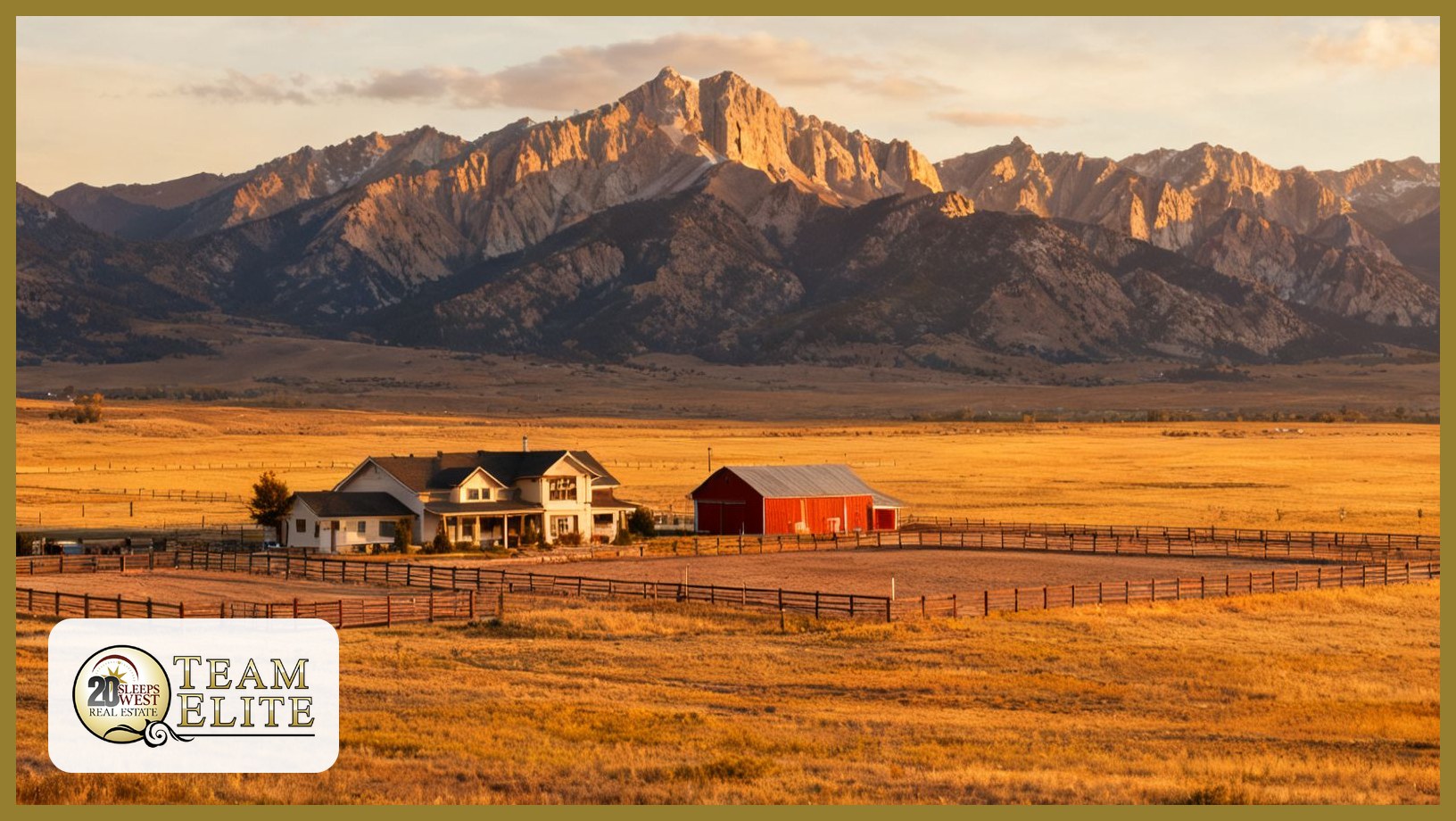
If you are searching for horse property for sale Western Colorado, you are not just buying a house, you are buying land, water, access, fencing, and a lifestyle that has to work for both people and animals. Around Montrose, Delta, Ouray, Ridgway, and Telluride, the right property can be a great fit, but the wrong one can be expensive to fix.
The best way to shop is to understand what matters most before you fall in love with a listing. Here is what buyers need to know when looking at Western Colorado horse properties, especially if you want usable acreage, dependable water, and room for barns, round pens, or future improvements.
What makes a good horse property in Western Colorado
A good horse property is not defined by acreage alone. In Western Colorado, usability matters more than raw size. Five acres of flat, fenced, well-watered land can be more practical than 20 acres of steep ground with limited access.
- Level or gently rolling land that is safe for turnout and easier to maintain
- Room for barns, shelters, loafing sheds, hay storage, and trailer parking
- Year-round or seasonal water that makes sense for livestock
- Fence lines that are already in good shape, or a budget to improve them
- Easy trailer access, especially in winter or muddy shoulder seasons
- A layout that separates horses, people, equipment, and guest areas
In mountain areas, topography can change how a property functions. Steep driveways, exposed slopes, and drainage issues are worth a close look because they affect daily chores, hauling, and winter safety.
Horse property for sale Western Colorado, check the land first
Before you focus on the home itself, study the land. Soil, slope, drainage, and access will tell you whether the property can truly support your horses and your routine.
- Walk the pasture after rain or snowmelt to spot muddy areas and drainage problems
- Look for irrigated ground versus dry acreage, since that changes grazing potential
- Check whether the driveway and access road are usable for trailers year-round
- Ask where snow drifts, runoff, or seasonal washouts tend to happen
- Confirm whether any land is too steep, rocky, or brush-heavy for practical use
- Notice how much of the acreage is actually usable, not just counted on paper
Buyers in Montrose, Delta, Ridgway, and the surrounding counties often find that water and usability matter more than a big acreage number. A smaller parcel with good access and irrigation can be a better long-term fit than a larger tract that is hard to manage.
Water rights, wells, and irrigation matter more than most buyers expect
In Western Colorado, water can make or break a horse property. Do not assume a listing’s mention of a ditch, well, or irrigation system means it is fully reliable for your needs. You need to know exactly what is included and how it works.
- Ask whether the property has water rights, ditch shares, or irrigation district access
- Verify well details, including production, permitted use, and any documented limitations
- Find out if stock water, domestic water, and irrigation water are separate systems
- Confirm whether water is available seasonally or year-round
- Check who maintains ditches, pumps, and delivery infrastructure
- Understand any transfer rules tied to the property or subdivision
If a property depends on irrigation, timing matters. A pasture that looks lush in one season may not perform the same way later in the year. Ask the right questions early so you know what you are actually buying.
Zoning, covenants, and permitted use can limit your plans
Not every acreage property is automatically horse-friendly in the way buyers expect. Some homes have covenants, subdivision rules, county zoning limits, or HOA restrictions that affect animals, structures, fencing, and commercial use.
- Check whether horses are allowed by zoning and subdivision rules
- Review covenants for limits on barns, fences, pens, or outbuildings
- Ask if there are restrictions on number of animals per acre
- Confirm whether short-term rental or commercial boarding is allowed
- Understand setback rules before planning new stalls or arenas
- Verify whether mobile structures, sheds, or trailers are permitted
If you plan to keep multiple horses, run a small operation, or add facilities later, make sure the property can support that vision legally, not just physically. This is one of the most common places where buyers get surprised.
Barns, fencing, and facilities deserve a close inspection
A pretty exterior can hide expensive repair work. When you tour a horse property, look beyond the house and inspect the structures that keep the property functional.
- Inspect fencing for rot, sagging, unsafe wire, or missing posts
- Look at barn roofs, doors, stalls, ventilation, and footing
- Check for safe electric service and lighting in barns or tack rooms
- Ask whether round pens, loafing sheds, or arenas are included in the sale
- Watch for signs of drainage problems around stalls and corrals
- Estimate the cost to replace or upgrade older livestock infrastructure
If the property is in mountain country, winter conditions can be hard on everything. A barn that looks fine in summer may need roof repairs, better drainage, or stronger access before it is truly horse-ready.
Plan for daily life, not just the purchase price
The purchase price is only part of the real cost. Horse properties often require ongoing maintenance that standard residential homes do not, especially in rural and mountain settings.
- Budget for fencing repairs, water system maintenance, and pasture upkeep
- Think about snow removal, hauling hay, and trailer maneuvering
- Consider the cost of upgrades if the property needs safer footing or storage
- Review insurance needs for barns, animals, and rural structures
- Factor in travel time to veterinarians, feed suppliers, and riding areas
- Make sure the property fits your routine in every season, not just in summer
A property can check all the boxes on paper and still feel difficult in daily life. The best choice is one that supports how you actually care for horses, haul equipment, and live on the land.
Frequently asked questions
What should I look for first in a horse property?
Start with usable land, water, access, and fencing. If those four pieces do not work, the rest of the property will be harder and more expensive to manage.
Is acreage the most important factor?
Not always. Usable acreage, water, and layout often matter more than the total number of acres, especially in Western Colorado where terrain can vary a lot.
Should I have a real estate agent review covenants and water details?
Yes. A local agent familiar with horse property can help you spot restrictions, ask the right questions, and avoid surprises before you go under contract.
Ready to find the right horse property? Let’s talk
If you are searching for horse property for sale Western Colorado, 20 Sleeps West Real Estate, Team Elite can help you narrow the field and focus on properties that truly fit your goals. Debi Harmon works with buyers and sellers across Montrose, Delta, Ouray, Ridgway, and Telluride, and can help you evaluate land, water, access, and resale value with a local eye.
Whether you are buying your first acreage property or selling a mountain horse property, having the right guidance can save you time, stress, and expensive mistakes. Reach out to 20 Sleeps West Real Estate, Team Elite to start your search with confidence.